
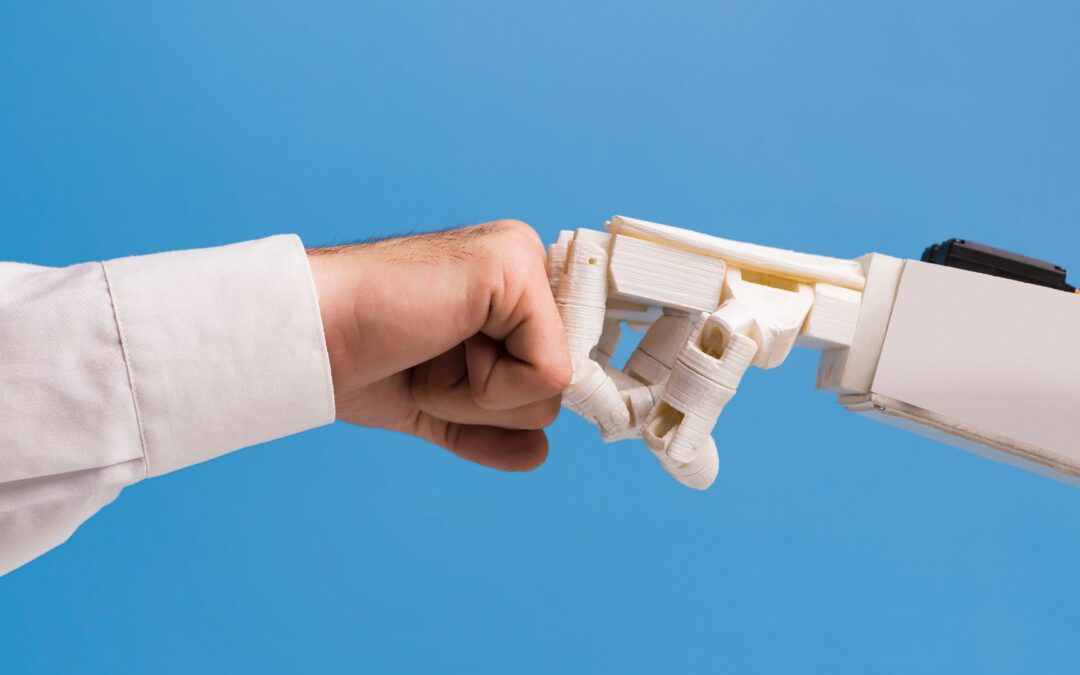
Artificial Intelligence, or AI, as we commonly refer to it, is the ability of machines to perform tasks that would normally require human intelligence, such as learning, problem solving, decision making, and language understanding. AI systems are designed to analyze data, recognize patterns, and make predictions or recommendations based on data. Despite resembling human capabilities, AI primarily relies on pattern recognition to generate responses.
As incredible as this technology may be, can it really help you in the classroom?
AI is a tool that is great at helping boost productivity and can even serve as an assistant to complete a variety of repetitive tasks!
How do I get the most out of AI tools like ChatGPT or Bing?
When it comes to getting assistance, it’s about how you ask for help. When I had a parent volunteer in my room, I had to give specific instructions for what I needed help with, how I needed the work to be completed and what the end purpose was. If I left out any of the details, I might not get exactly what I needed. It’s no different with Artificial Intelligence. The prompt is what gets you the help you need.
What are the ethical implications of AI?
AI undoubtedly offers many benefits, but, like any other tool or device we use, there are ethical considerations that come with using AI. Whether it’s content creation, answering a question, generating an image to use in the classroom, or other AI applications, it’s important for both educators and students to exercise caution. AI tools operate based on carefully curated datasets, highlighting the importance of the specificity of the questions we are asking. This skill is pivotal in discerning potential biases and inaccuracies in the outcomes provided by AI.
Leveraging AI as an assistant is great, but like any collaboration, discretion in sharing information is essential. Just as you exercise caution with classroom volunteers, a similar approach should be taken with AI. It is strongly advised to familiarize yourself with district or campus policies and establish a plan to use AI safely and ethically.
AI’s growth, though remarkable, stems from data processing and lacks the intricate emotional and experiential components of human cognition. While it remains a machine, it is still an invaluable tool teachers can use in our classrooms and can teach students how to use responsibly.
If you are interested in learning more about using AI in your classroom, check out our Webinar, “AI…A Teacher’s Assistant,” on-demand here.


Kelli Erwin
Director of Education
Dr. Kelli Erwin has been in the field for K-12 education for over 20 years as a classroom teacher, technology lab teacher, GT specialist and a district-level instructional specialist. In her role as Director of Education for Learning.com, she incorporates her years of experience along with new trends and pedagogical understanding to design and create learning experiences and support resources to meet the varying needs of students and teachers.
Further Reading

How One Teacher is Creating a Safe Space for Girls to Learn about STEM
My name is Allyson Varlas, and this is my fourth year as a fifth grade Title I Reading Specialist for the Marshall County School District in West...

Education 4.0 & the Future of Work
Up until the early 20th century, futurists estimated that human knowledge doubled every 100 years. By the mid 19th century, knowledge doubled every...
Leveling Up with TA-TEKS: Computational Thinking, Coding and Python
One of the significant shifts in the updated Texas Essential Knowledge and Skills for Technology Applications, or TA-TEKS, is a focus on teaching...